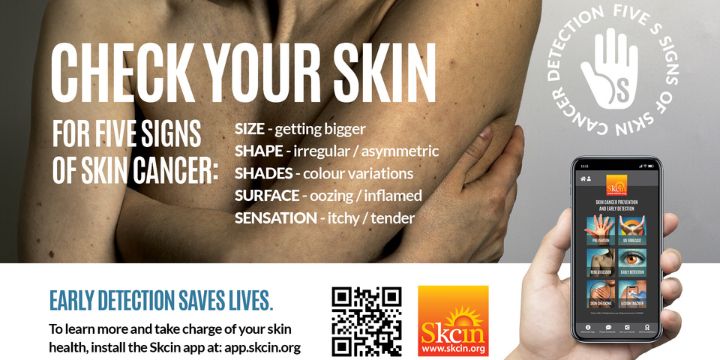
As part of Skin Cancer Awareness Month this May, we are encouraging people to know their risk of skin cancer and take steps to protect their skin, particularly as warmer weather is forecast over the weekend and into next week.
With more people expected to spend time outdoors in the sunshine, we are reminding you that even short periods of sun exposure can damage the skin and increase the risk of skin cancer over time.
Skin cancer is one of the most common cancers in the UK, but many cases can be prevented by protecting your skin from harmful ultraviolet (UV) rays.
Are you at risk?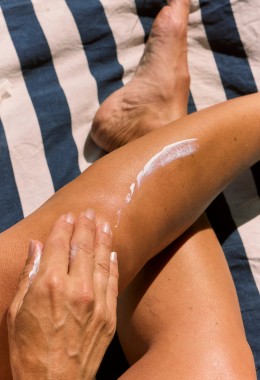
Some people are more at risk of developing skin cancer than others. Risk factors include:
- Having pale skin that burns easily
- A history of severe sunburn, especially during childhood
- Having a large number of moles or unusual moles
- A family history of melanoma
- Previous skin cancer
- Using sunbeds
- Spending a lot of time outdoors for work or hobbies
- A weakened immune system
- Increasing age
People are encouraged to regularly check their skin and contact their GP practice if they notice any changes to a mole or patch of skin.
Stay safe in the sun
As the weather gets warmer, please stay safe in the sun:
- Spend time in the shade between 11am and 3pm when the sun is strongest
- Wear a hat, sunglasses and clothing that covers the skin
- Use sunscreen with at least SPF30 and 4 or 5-star UVA protection
- Reapply sunscreen regularly, especially after swimming or sweating
- Take extra care to protect children and babies from sunburn
- Avoid using sunbeds
Even on cloudy days, UV rays can still damage the skin, so it is important to stay protected whenever spending time outdoors.
If in doubt, check it out
People should contact their GP practice if they notice:
- A new mole or growth on the skin
- A mole changing shape, size or colour
- A mole that becomes itchy, painful, crusted or starts bleeding
- Any patch of skin that does not heal
Early diagnosis and treatment can make a significant difference.
For more information about skin cancer prevention and symptoms, visit the NHS website.