
Whether it’s a river, a lake, a paddling pool or even a bathtub, water can pose a serious risk to young children or to teenagers.
With summer sunshine and warmer temperatures on the way, the risk becomes even greater.
Over the last five years, 3,615 people have tragically drowned in the UK and Ireland. This year, Drowning Prevention Week (13 – 20 June) is expanding to reach 13-17-year-olds, as recent data reveals that drowning deaths among this age group have increased an alarming 67% between 2020-2022 and 2023-2025. 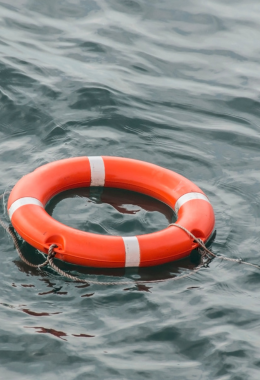
Knowing how to swim is a great skill - but it is not enough to stay safe in the water. True competency and confidence in and around water require knowledge of the Water Safety Code, including always staying together, stopping to think about and assess the dangers before getting into the water, and understanding what to do in an emergency.
Drowning is preventable. In addition to sharing water safety messages to keep individuals safe, RLSS UK is campaigning for systemic drowning prevention by advocating for lifeguards and lifesavers, training bystanders, and developing unified water safety policies with the Government.
The Royal Life Saving Society (RLSS) and Royal National Lifeboat Institute (RNLI) play a leading role in raising public awareness of the dangers of water and what to do to stay safe or reduce the risk. This includes the importance of restricting access to water for young children, of knowing how to float or swim, only swimming where lifeguards or other help are at hand, being aware of ‘cold water shock’ and being alert to water currents and the possibility of hidden underwater hazards.
More information can be found on the RLSS and RNLI websites.